
Solar tracker maintenance: costs, intervals and inspections
Plan solar tracker maintenance with clear inspection tasks, service responsibilities and cost assumptions for the operating life of your system.

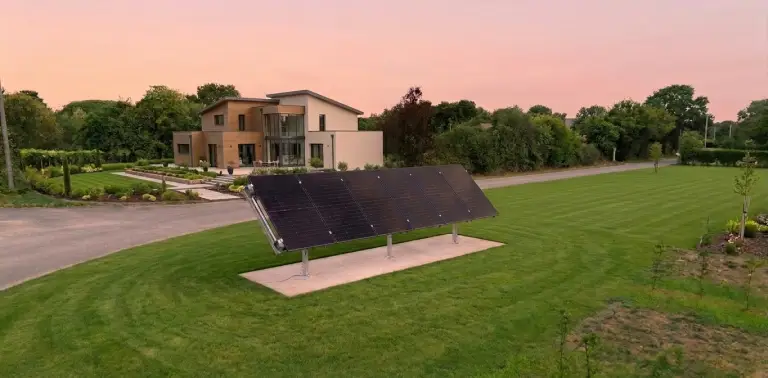
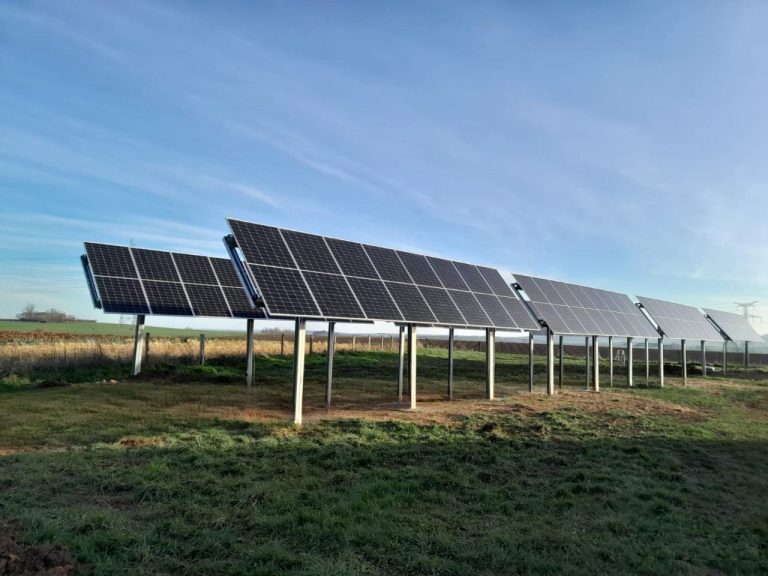
A solar tracker combines mechanical movement, control electronics and photovoltaic equipment. Maintenance belongs in the project budget from the start, with clear responsibilities for routine checks and fault response.
What determines the annual budget?
There is no universal annual maintenance price. The number of trackers, travel distance, accessibility, monitoring arrangements and the service contract all affect costs. Agricultural dust and vegetation can add site-specific work.
Ask for a breakdown covering planned visits, labour, travel and replacement parts. Establish which items are included and how unplanned interventions are charged.
How often should inspections take place?
Use the maintenance instructions for the installed equipment, the site conditions and the applicable electrical inspection requirements. A generic interval is not a substitute for the documented plan.
After exceptional weather, an impact or an abnormal movement, follow the manufacturer’s fault procedure and contact the responsible service provider. Do not approach or work on moving equipment without the appropriate precautions.
What should the plan cover?
| Area | Questions for the service provider |
|---|---|
| Structure | Are fixings, corrosion and visible damage checked? |
| Movement | Are obstructions and abnormal operation investigated? |
| Controls | Are alarms and safety functions verified? |
| Electrical system | Who checks cables, protection and test records? |
| Surroundings | Who manages vegetation, access and new shading? |
This is an organisational checklist, not an electrical or mechanical repair procedure. Technical work requires suitably qualified personnel.
Separate prevention from repairs
Preventive maintenance checks the condition of the installation before a major fault develops. Corrective maintenance addresses an identified problem. Agree reporting channels, responsibilities and spare-part arrangements for both.
Keep inspection records, alarm histories and intervention reports. These support diagnosis and make recurring issues easier to track.
Low maintenance does not mean no maintenance
A design can reduce some recurring tasks without eliminating the need for inspections. A sealed component also does not make the whole installation maintenance-free.
Read the practical maintenance guide and include operating costs in the comparison with fixed PV.
Your solar project starts here
Tell us about your site and electricity needs.