
Solar tracker vs fixed solar panels: how to compare your options
Compare solar tracking and fixed PV using generation profiles, self-consumption, land requirements, installation costs and maintenance.
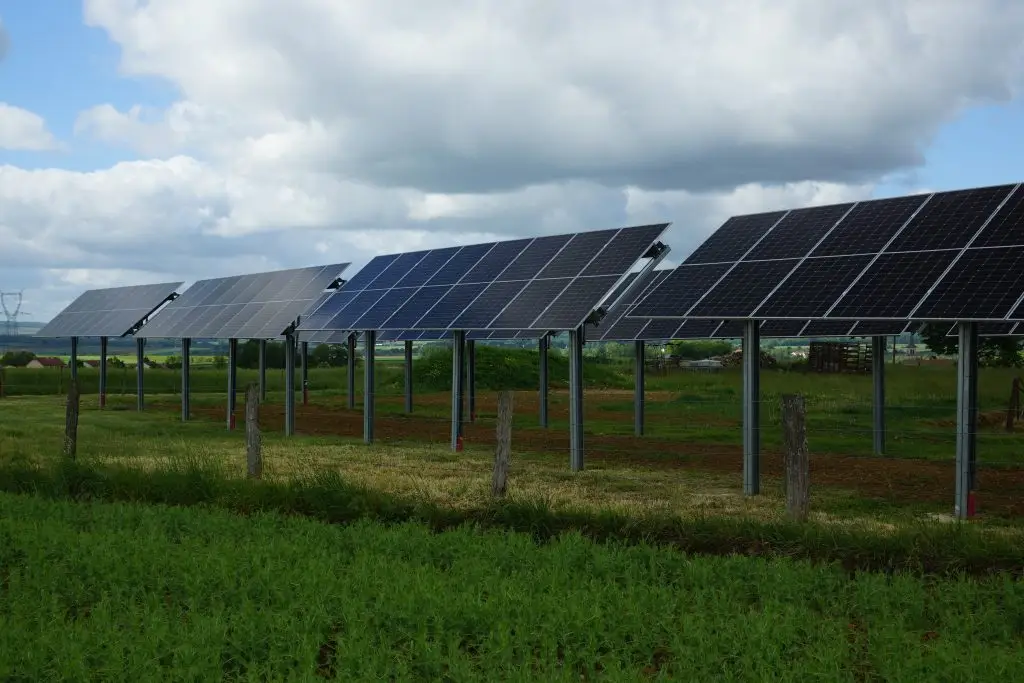
The right PV mounting system depends on the site and the electricity it can use. A useful comparison considers both energy production and the complete cost of operating the installation.
Start with equivalent designs
Compare the same module capacity in kWp and use consistent weather data, shading, inverter sizing and loss assumptions. If one design contains more modules, separate that capacity difference from the effect of tracking.
The physical layout also matters. Include the full swept area of moving modules, row spacing, access routes and any land that must remain available for other purposes.
Compare timing as well as annual output
A tracker can change when electricity is produced, particularly towards the ends of the day. Assess the hourly or sub-hourly generation against the same site load profile for both options. Winter conditions, diffuse light and nearby shading can change the result.
Self-consumption is the share of generation used on site. Self-sufficiency is the share of demand supplied by that generation. These are different metrics and should not be combined into a single percentage.
Build a complete cost comparison
Include equipment, foundations, cabling, electrical works, connection and commissioning. For ongoing costs, include inspections, vegetation management, insurance, replacement assumptions and potential downtime. Moving parts introduce specific service tasks, but fixed PV also requires maintenance.
Value self-consumed and exported electricity separately. Use documented local contractual assumptions and compare different future price scenarios instead of relying on a single optimistic forecast.
Check practical constraints
A technically productive design may be unsuitable if it blocks a service route, complicates agricultural work or requires disproportionate earthworks. Compare the two layouts on the same site drawing.
Discuss foundations, wind strategy, servicing and component availability with the installer. The maintenance planning guide provides questions for the operating budget.
Make the decision from site evidence
Request the simulation inputs and a clear distinction between forecasts and measured results. A case study can illustrate a layout, but its yield and payback cannot simply be transferred to your project.
Start with the complete solar tracker guide and prepare consumption data before selecting an architecture.

Your solar project starts here
Tell us about your site and electricity needs.