
How to maintain a solar tracker: components, care and monitoring
Understand the components behind Falco solar tracker maintenance, from electric actuation and steel structures to controls and site inspections.

Falco’s design aims to limit recurring maintenance and make checks practical. The operating plan still needs to cover the entire mechanical, electrical and PV installation.
Electric actuation
Falco uses an electric actuator rather than a hydraulic circuit. This avoids the hydraulic fluid circuit and its associated leak points. The actuator must nevertheless be inspected according to its own manufacturer instructions.
The service plan should address mountings, wiring, connectors, movement and the relevant safety functions. Do not assume that a sealed actuator eliminates all service requirements.
Structure and corrosion protection
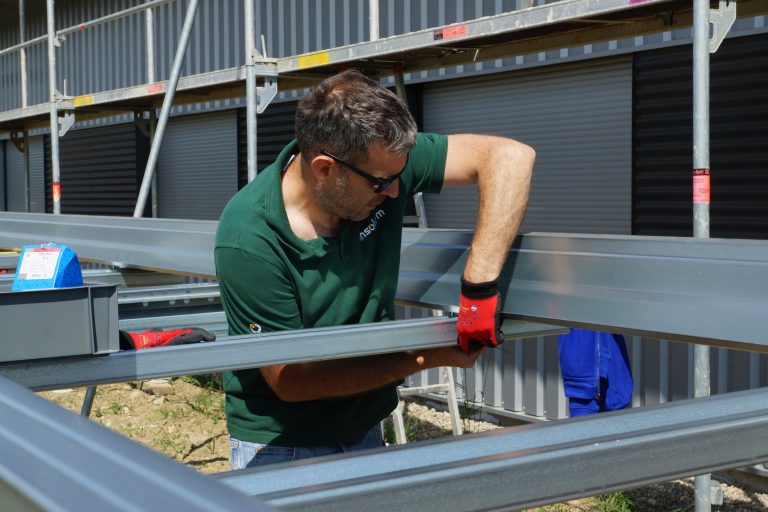
Falco uses Magnelis-coated steel for corrosion protection. Actual performance depends on the environment, installation practices and the treatment of damaged or cut surfaces. Inspect visible damage and follow the prescribed repair method where needed.
Service-life assumptions and warranty conditions should come from the current contractual and technical documents for the project.
Astronomical control
Astronomical control calculates the sun’s position using location and time. It avoids reliance on an exposed optical tracking sensor, but commissioning parameters and movement references still need to remain correct.
Check that the site coordinates, clock, reference position and monitored behaviour are consistent. Safety monitoring has its own checks; automatic tracking does not remove the operator’s responsibilities.
Modules and surroundings
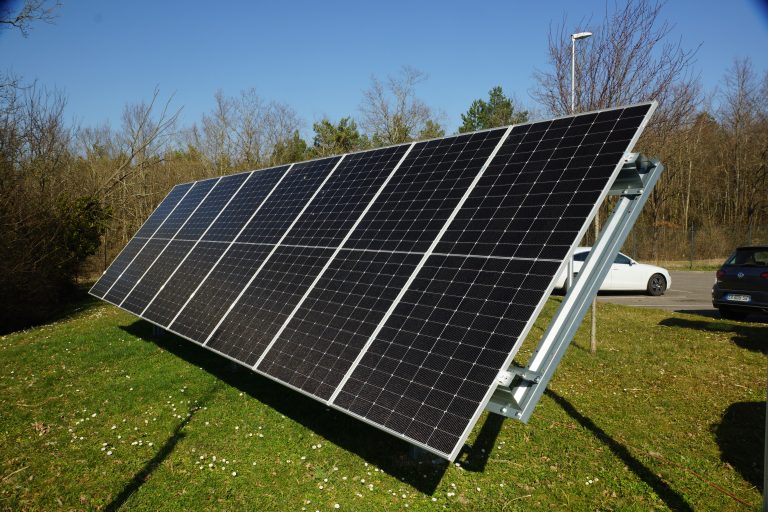
Plan module cleaning according to the module supplier’s instructions and actual soiling. Avoid improvised chemicals or access methods. Vegetation, fallen objects and newly introduced shadows should also be monitored.
Keep service routes clear and maintain appropriate separation from moving components. Electrical and mechanical interventions belong with qualified personnel.
A documented operating plan
Assign a contact for alarms, inspections and repairs. Keep the commissioning documents and service history together, including changes to components or settings.
The maintenance cost and inspection guide helps turn these tasks into a budget. Compare complete operating costs rather than a maintenance-free claim.
Your solar project starts here
Tell us about your site and electricity needs.