Terra solar trackers at Eply: a farm project open day
A look back at the Terra installation visit in Eply, France, and the questions it raised about agricultural electricity use and solar production data.
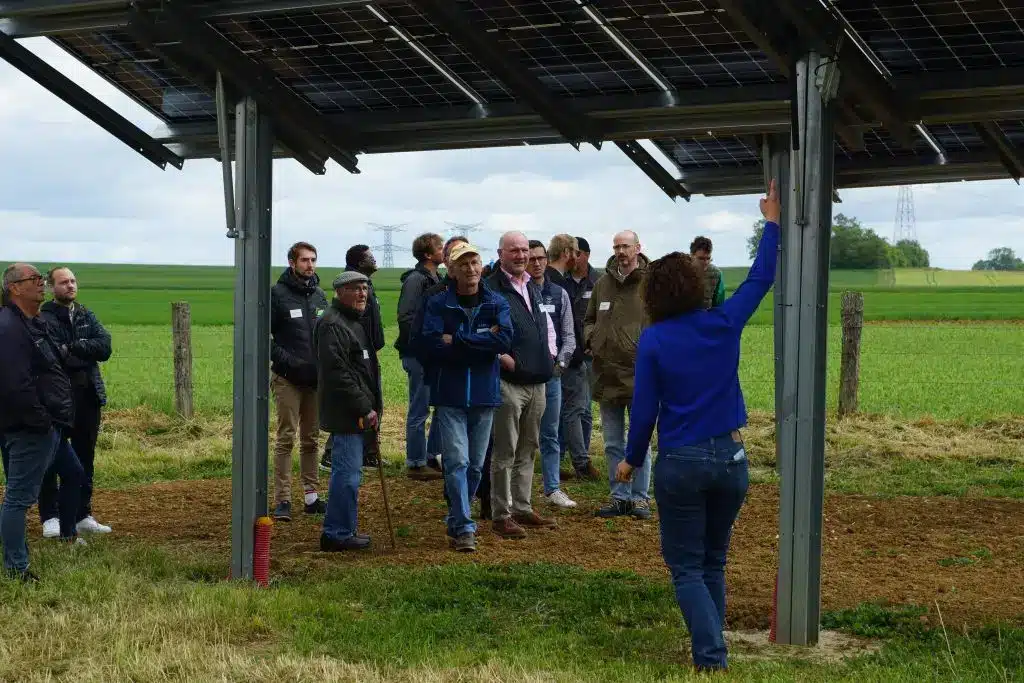
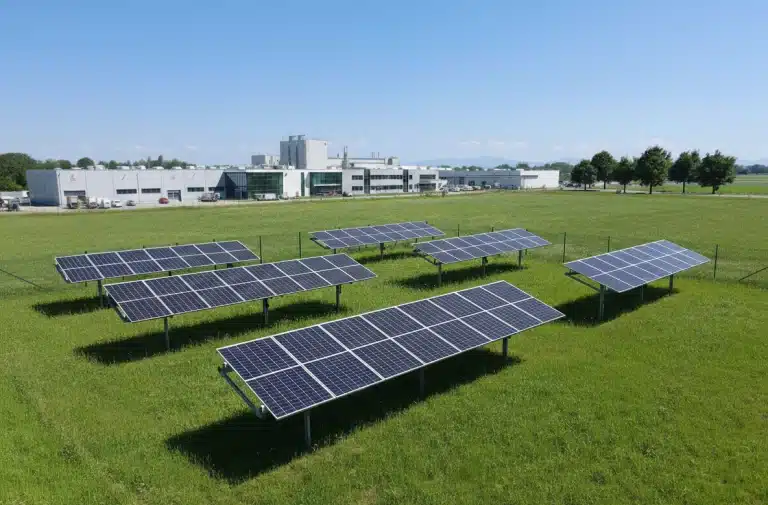
The Eply event introduced visitors to an elevated Terra tracker installation and the farm’s electricity objectives. It provided an opportunity to discuss site integration, movement and the practical demands of agricultural self-consumption.
Seeing the installation in its setting
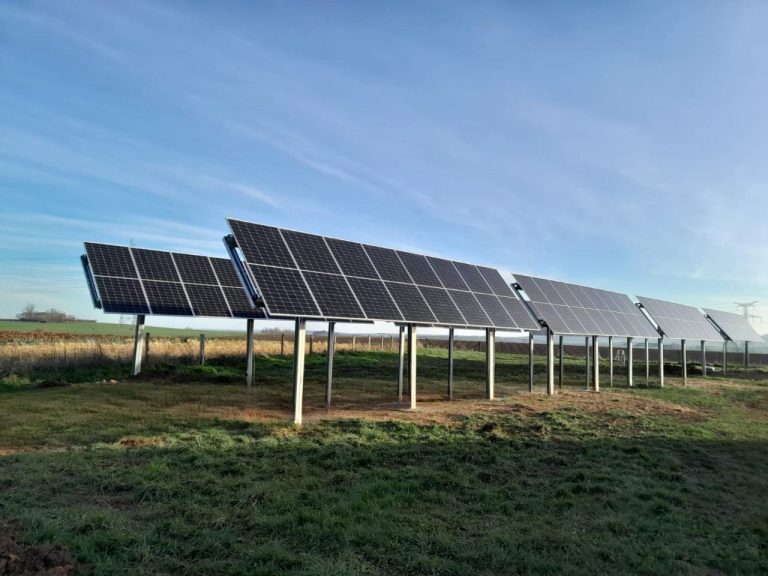
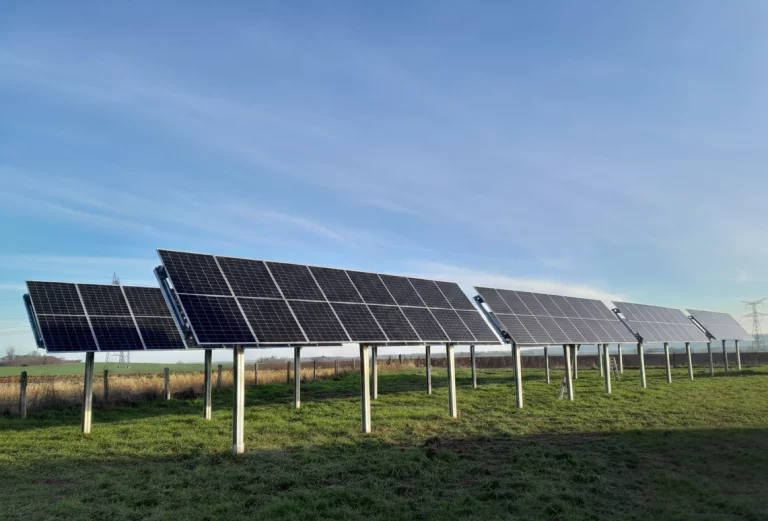
The trackers are located close to farm infrastructure. The visit showed how the structures fit into the available space and prompted discussions about retained activities beneath and around the modules.
Clearance must always be checked against the actual equipment, animals and tracker positions. An elevated design does not automatically allow every agricultural machine to pass.
Reading a single day of production correctly
The French report includes a graph for 27 April 2026. Its vertical axis is labelled in kWh, which is energy rather than instantaneous power in kW. The interval represented by each bar must be known to interpret the values correctly.
One day does not establish annual generation or a measured gain over fixed PV. Assessing self-consumption also requires demand data for the same intervals. The graph alone cannot demonstrate savings or profitability.
Agricultural PV and agrivoltaics
The account presents Eply as PV for farm electricity consumption, rather than automatically classifying it as agrivoltaics. Location and actual land use matter to that distinction.
This French example does not decide the legal classification of another project. Read the agrivoltaics guide and check local requirements.
Prepare a productive site discussion
Bring a plan, photographs, farm working schedules and consumption data. The Terra farm case study adds installation context, while the product comparison helps identify the appropriate family.
Your solar project starts here
Tell us about your site and electricity needs.