
What is a solar tracker? How it works and where it fits
Understand how solar trackers move PV modules, how they affect electricity production and which site checks matter before choosing a system.

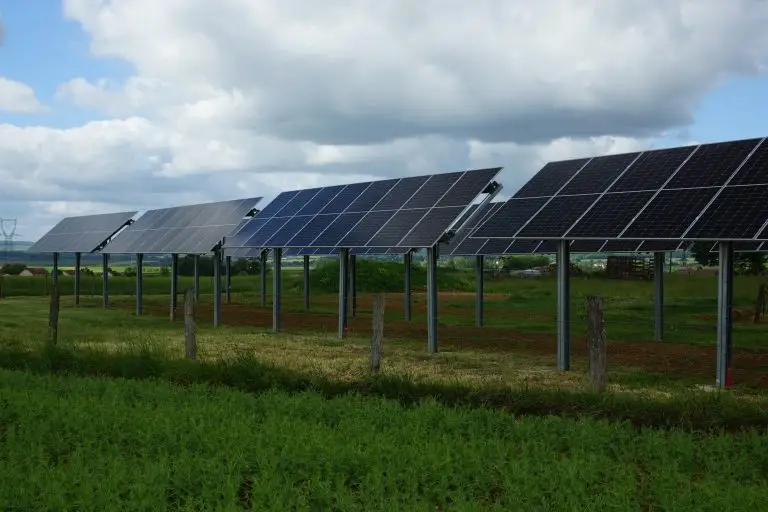
A solar tracker is a motorised mounting structure that changes the orientation of photovoltaic modules during the day. The modules generate electricity; the tracker changes their position relative to the sun.
How solar tracking works
A fixed PV array keeps the same orientation and tilt. A tracker moves around one or two axes, depending on its design. Falco uses single-axis east–west tracking with an astronomical controller that calculates the position of the sun.
The controller follows the sun, rather than automatically matching the electricity demand of a building. Wind monitoring and safety positions are part of the system design and must be understood from the documentation for the installed configuration.
Why the generation profile matters
Tracking can spread generation over a wider part of the day. This may suit sites with demand in the morning and late afternoon, but the value depends on the actual load profile. More annual generation does not automatically mean a higher proportion of self-consumed electricity.
Compare generation and consumption at matching time intervals. Treat exported electricity separately from electricity used directly on site.
Which sites should consider a tracker?
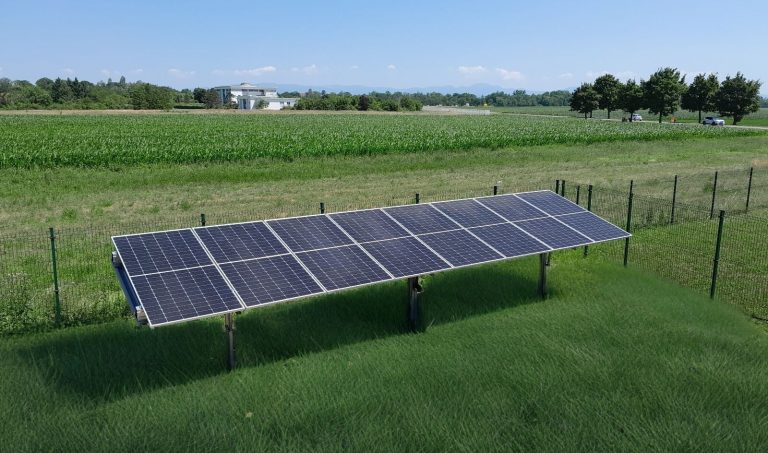
Businesses may have unused ground beside their buildings; farms need to consider animals, machinery and seasonal work; homes require suitable outdoor space. In every case, allow for the full movement envelope, shadows, maintenance access and underground services.
A tracker is one option alongside rooftop and fixed ground-mounted PV. Compare Sun+, SunPro and Terra to identify the product family worth studying.
What to prepare before requesting a study
Collect a site plan, photographs, electricity consumption data and information about soil, access and nearby obstructions. The study should address structural loads, foundations, grid connection and the permissions applicable at the installation location.
Compare tracking and fixed PV with the same installed capacity, weather assumptions and cost boundary. Avoid applying a universal yield uplift or payback period to a new site.
Your solar project starts here
Tell us about your site and electricity needs.