Solar tracking for on-site electricity: benefits to assess
Explore how solar tracking can support on-site electricity use and which production, land and cost assumptions need project-specific assessment.

Solar tracking is a way to change the generation profile of a PV installation. Its practical value comes from the site’s resources and electricity needs, rather than from a universal performance percentage.
Generation spread across the day
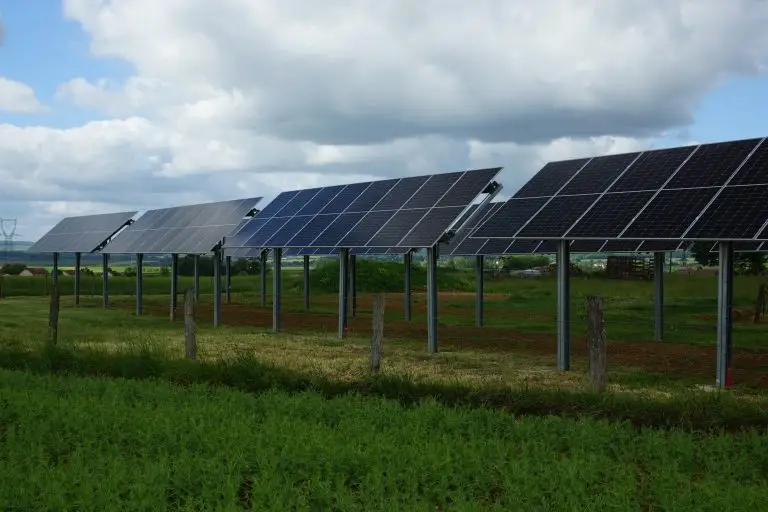
Moving modules can capture sunlight at different angles through the day. The potential benefit depends on weather, location, shading and the tracker configuration. Compare a local simulation with a fixed array of equal installed capacity.
Morning and afternoon production can be relevant for businesses working extended hours. It must still be matched against measured demand.
Self-consumption requires a time match
Additional generation is useful on site only when demand coincides with it, unless a separately designed storage or demand-management solution changes that balance. Tracking follows the sun; it does not automatically follow the factory load.
Account separately for electricity used directly and surplus exported under the applicable contract.
Available ground has operating constraints
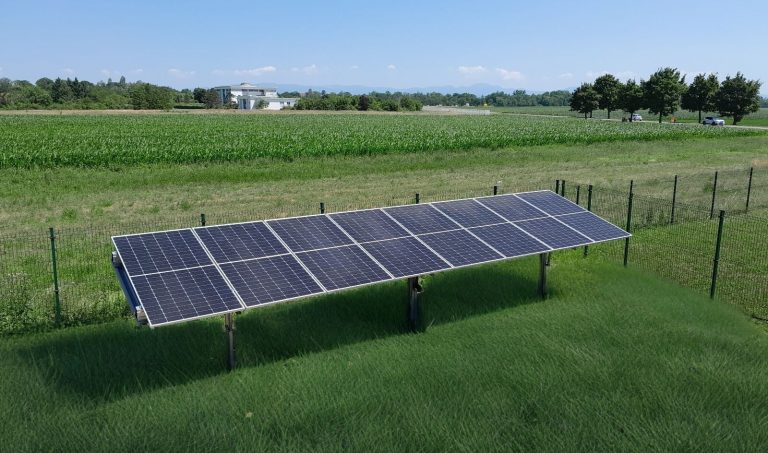
Unused space around a building can offer opportunities, but access, underground services, shading and future expansion matter. Draw the tracker movement envelope and retained operating routes on one plan.
On agricultural sites, examine machinery and livestock requirements before assuming that elevated modules preserve every existing activity.
From benefits to a project decision
Compare complete installation and operating costs over a consistent study period. Document assumptions and distinguish measured results from estimates.
Use the complete planning guide and product comparison to prepare a site-specific enquiry.
Your solar project starts here
Tell us about your site and electricity needs.